

Nutritionist Emma White (ANutr), MSc Human Nutrition is passionate about how food science applies to the human body, and how the nutrients in what we eat affect us and ultimately have an impact on our health.
You may think of gardening and assume it’s just a necessary task to keep your weeds in check and your lawn in good health – but the truth is the benefits of this outdoor activity extend far beyond your garden aesthetics. Gardening gets you moving, connects you with nature, and, when you grow your own fruits and vegetables, extends these benefits into your diet and overall nutrition.
Beyond the more obvious perks, like saving money and reducing your environmental footprint, gardening can have some surprisingly direct nutritional and health advantages. Here I’m going to delve into six of the main ways your diet and health could benefit from you grabbing your gardening gloves, and heading out into your garden, no matter how big or small!
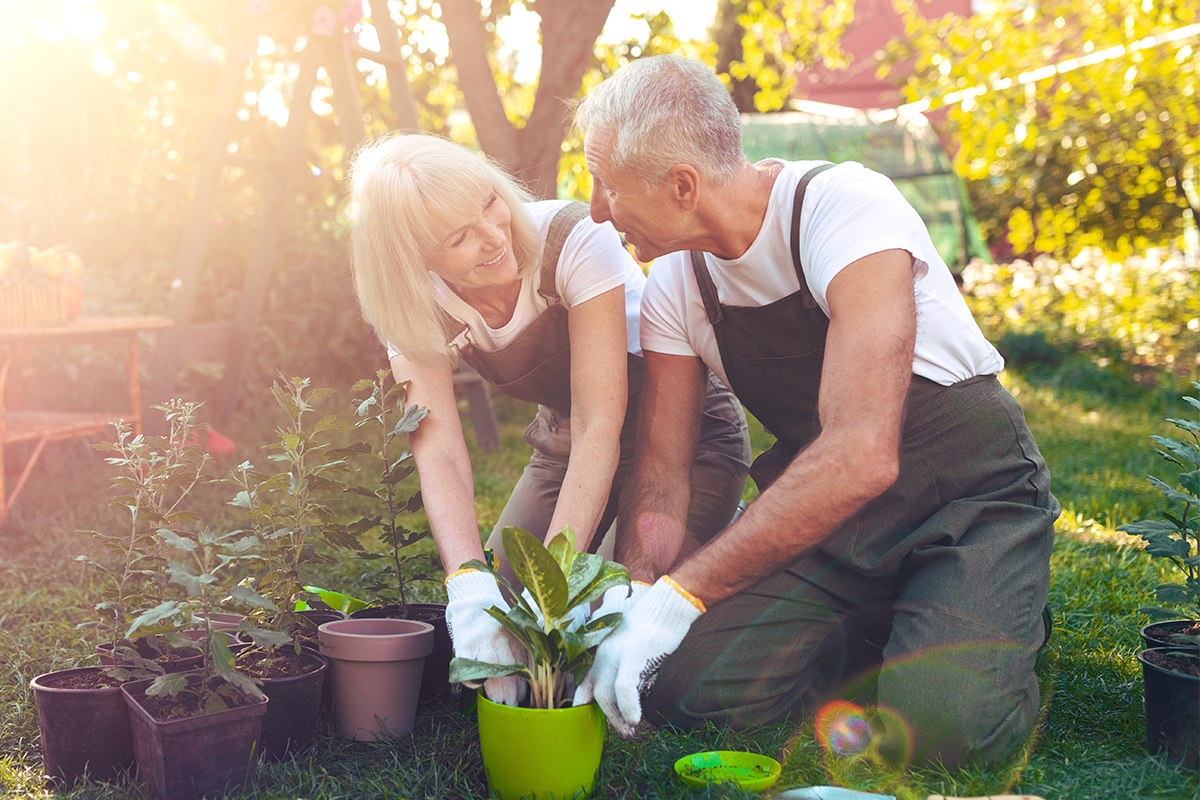
Vitamin D boost
Our skin produces vitamin D through exposure to sunlight, so getting outdoors in the brighter spring and summer months is a great way to support your vitamin D levels. While historically much of the focus around vitamin D has been its role in bone health, in more recent years research has suggested a role of vitamin D in several other areas of health from immune support to cancer prevention (1). In fact, this nutrient is considered so important that the NHS recommendations are to consider taking a daily supplement in the autumn and winter months, when we’re not able to make the vitamin D we need from sunlight. So, anything we can do to support our vitamin D levels and minimise any possible risk of deficiency is super beneficial from a nutrition perspective. Getting out in the garden is a great way to support this – just be sure to be sun safe!
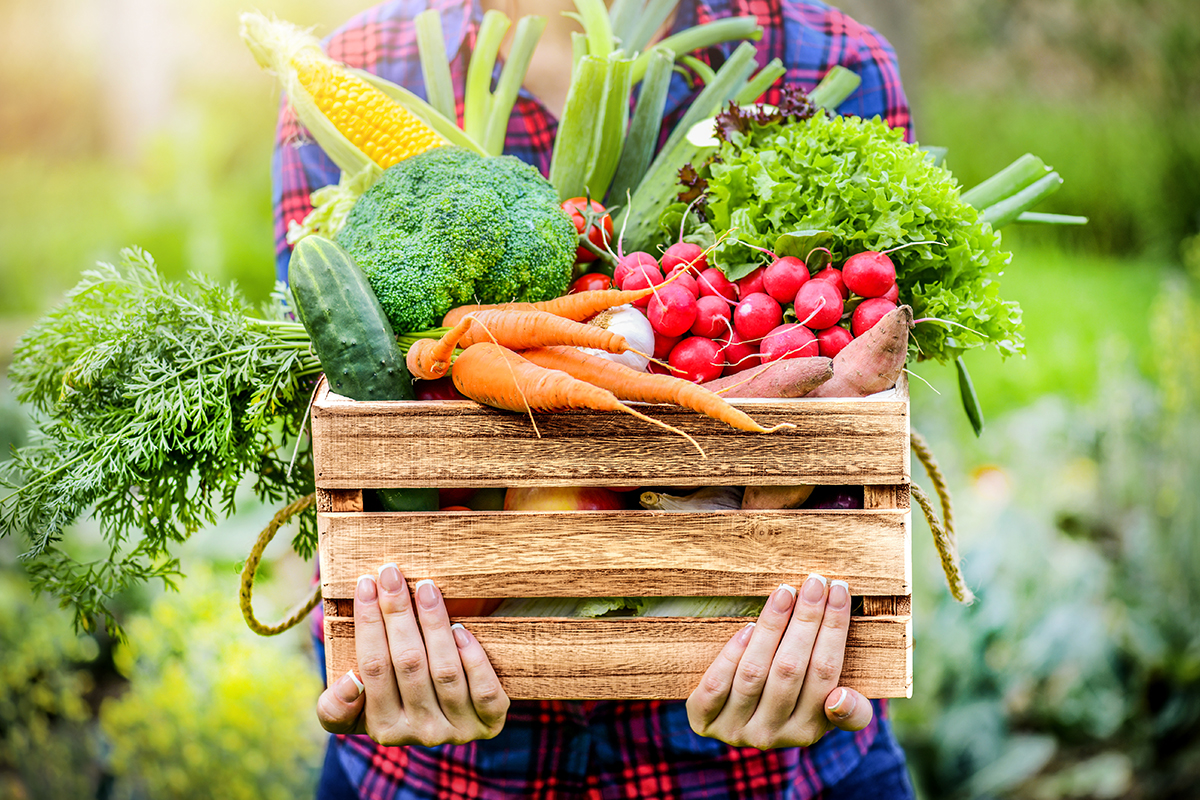
More nutrient-rich fruits and vegetables
When you grow your own produce, you can often pick and eat it almost immediately. This can help retain nutrients that sometimes degrade during storage and transport. For example, vitamin C and some antioxidants can start to decline once fruits and vegetables are harvested (2).
Homegrown produce also gives you control over freshness, allowing you to enjoy the maximum nutrient content possible – a small but meaningful boost to your overall diet quality.

Greater intake and variety of plant foods
Research consistently shows that people who grow their own food tend to eat more fruits and vegetables than those who don’t (3, 4). Home gardeners also often consume a wider variety of produce (5), likely because these foods are more accessible, affordable, and valued when grown at home.
Seasonal shifts are also likely to encourage more variety, since certain fruits and vegetables grow better at different times of the year, so those who rely on homegrown are more likely to eat seasonally. Whereas when we purchase fruits and vegetables from the shops, we can ultimately access almost anything, at any time of year, but the less seasonal foods will have made a long trip from wherever they were produced, which can risk nutrient degradation. The health benefits of eating a wide variety, and plenty of portions of fruits and vegetables, each day are far reaching, from reducing disease risk to supporting gut health (6, 7).

Encourages less processed food consumption
We’re all about balance here at Nutracheck and know that some highly processed foods within the diet are often relied upon by many, from a convenience and enjoyment perspective. It’s mostly about striking a good balance between more whole foods that contain lots of beneficial nutrients, and those that are more convenience based but may not have quite as many beneficial nutrients, and possibly a little more salt, sugar and saturated fat. Growing your own fruits and vegetables can help tip the scales more towards whole foods, as it typically encourages more variety and a larger intake of these foods, meaning fewer highly processed foods may be relied on. For general health and dietary variety, this is a big plus point.

Reduced stress
Being outside in nature, plus being active – two beneficial side-effects of gardening and growing your own fruits and vegetables – have been associated with reduced stress levels (8). I’m sure many of us have experienced this firsthand when taking a sunny walk in nature or even just stepping outside on a hot summer's day. Managing stress levels is not only beneficial for overall health but can help support more nutrient-rich food choices too. Feeling stressed or low can mean we lack motivation to cook, or choose some of the more nutrient-rich meal options, and can typically lead to relying on more convenience foods, or even not eating much at all. Taking part in activities that can help lower stress levels, such as gardening, can help support a healthier lifestyle and diet. To read more about the effect of stress on our diet, check out our blog Stress: How it affects your eating behaviour.

Support for gut health
In many ways that we’ve already discussed, gardening and growing your own foods can benefit gut health. For starters it encourages more consumption of fruits and vegetables, plus more variety of these foods – two things known to support gut health. Also, its link to stress reduction can benefit gut health, since stress is known to directly affect the digestive system.
Emerging research suggests that spending time outdoors and handling soil may even expose you to beneficial microbes, potentially contributing to microbial diversity and overall health (9). While this evidence is still developing, it adds another layer to the potential gut-friendly benefits of gardening.
Final thoughts
From boosting vitamin D to supporting gut health, reducing stress, and improving diet quality, the health and nutritional benefits of gardening speak for themselves. Whether you have a small balcony garden or a backyard plot, even a little time spent growing your own food can make a meaningful difference.
Who else is heading out to stock up on seeds and a gardening guide? I’ll race you there!
For the first time, I'll be at the Gardeners World Live show on the 1st of May at the 'In Conversation Stage' to discuss the health benefits of homegrown ingredients – sharing practical tips and fresh inspiration to help you grow your own.
So if you wanted to come see my talk, our members can get 10% off tickets* when you use code NUTRA10.
Click here to find out more.
*10% ticket offer valid on adult standard entry tickets 9:30am and 11:30am entry only. Not valid on 1:30pm tickets, transaction fee, added extras, or with any other offer. Ticket offers end 23:59 on 3 May 2026. £4.25 transaction fee per e-ticket order. Details correct at time of send.